

For District Leaders
Improve learning environments and advance climate literacy
Today’s schools are dealing with rising temperatures and extreme weather that lead to unhealthy learning environments, force school closures, and perpetuate educational inequities. At the same time, students are asking for schools to prepare them for changing a world and take action on climate.
District leaders can play a key role in adapting school buildings to these changes, safeguard student health, and contribute to climate action. They can also shape student learning and opportunities that prepare the next generation of leaders.
Is extreme heat and smoke threatening student health in your district?
Does your district have a plan for school closures due to extreme weather?
Are there dollars in your district going towards HVAC improvements?
Are your students demanding climate education and job-ready skills?
Safeguard Indoor Air From Extreme Heat and Smoke
Prepare for Extreme Weather, Reduce Lost Learning Time
Decarbonize Buildings for Healthier Environments & Lower Costs
Set Students Up for Success in a Changing World
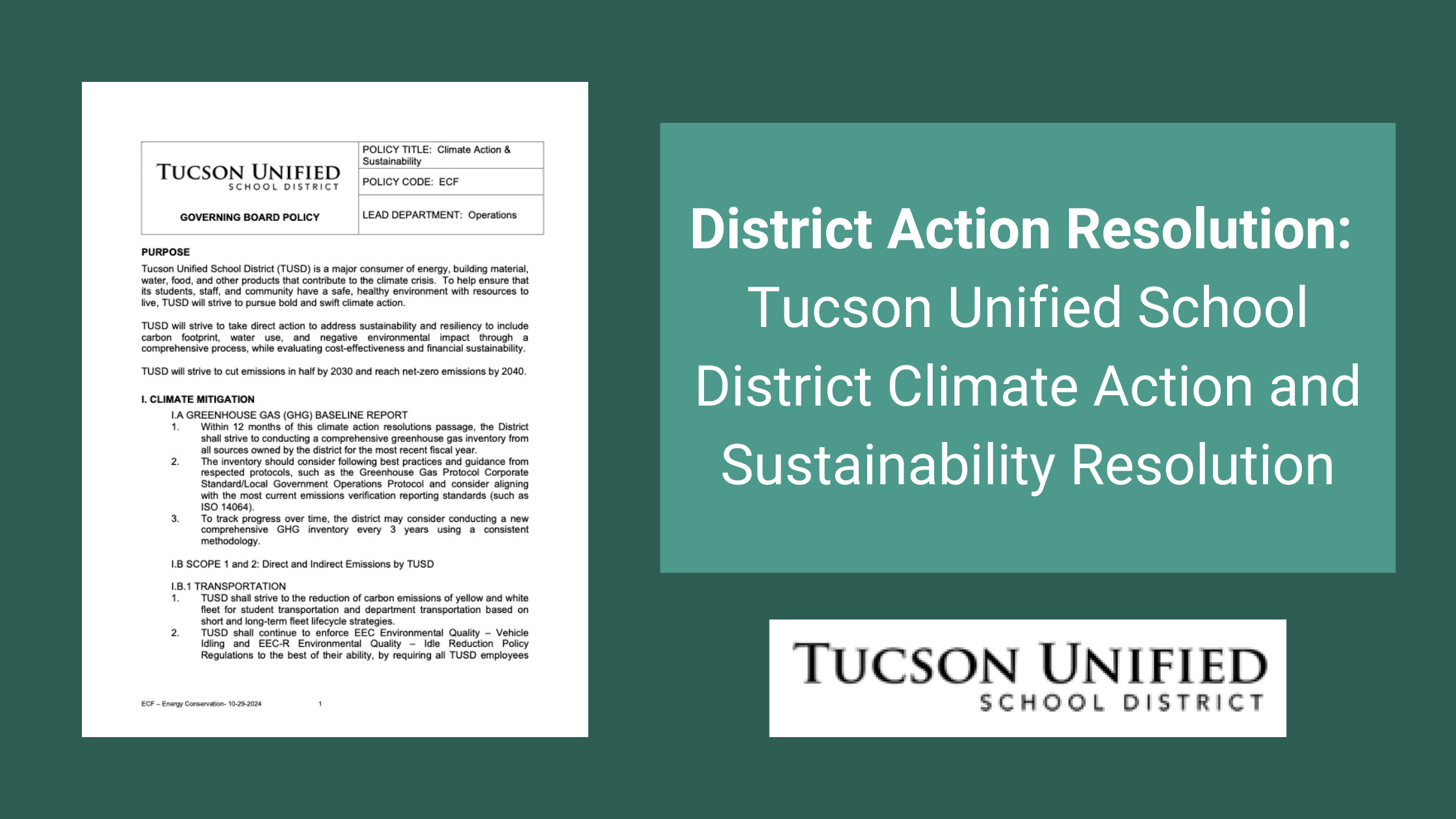
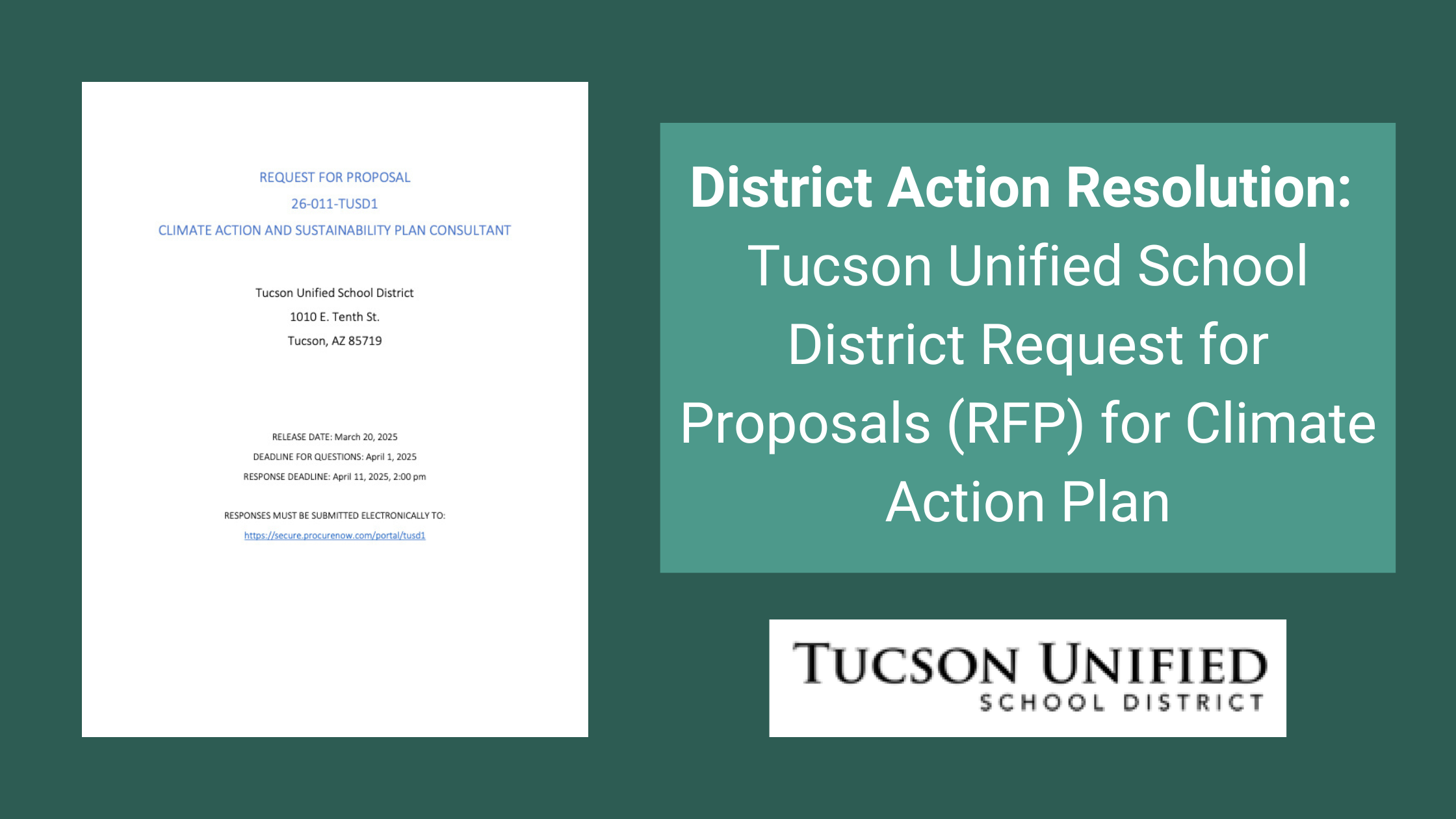
District-Level Climate Action Plans
Around the country, school districts are implementing adaptation and resilience measures, reducing carbon pollution, and educating their students on climate change.
Explore this map to see model, district-level climate action plans that can inform actions for your local context.
Solution Spotlight: Washoe County School District (NV)
In 2016, Washoe County School District embarked on a 15-year Facility Modernization Plan. District leaders successfully convinced the school board to pass a policy requiring ground-source heat pumps - a cost-saving, healthier, and modern heating and cooling method - in all new construction and renovations where feasible.
Since then, ground-source heat pumps have become the basis of design for Washoe County School District. As of November 2025, 15 out of the district's 100 schools use ground-source heat pumps, resulting in healthier classrooms and lower energy costs.
By claiming the federal energy tax credit for these projects, the district received an over $1 million reimbursement for a ground-source heat pump system at an elementary school.
Listen to Sandor Rosta, the district’s Energy & Sustainability Manager, share this story and key recommendations in driving modern HVAC systems in schools.

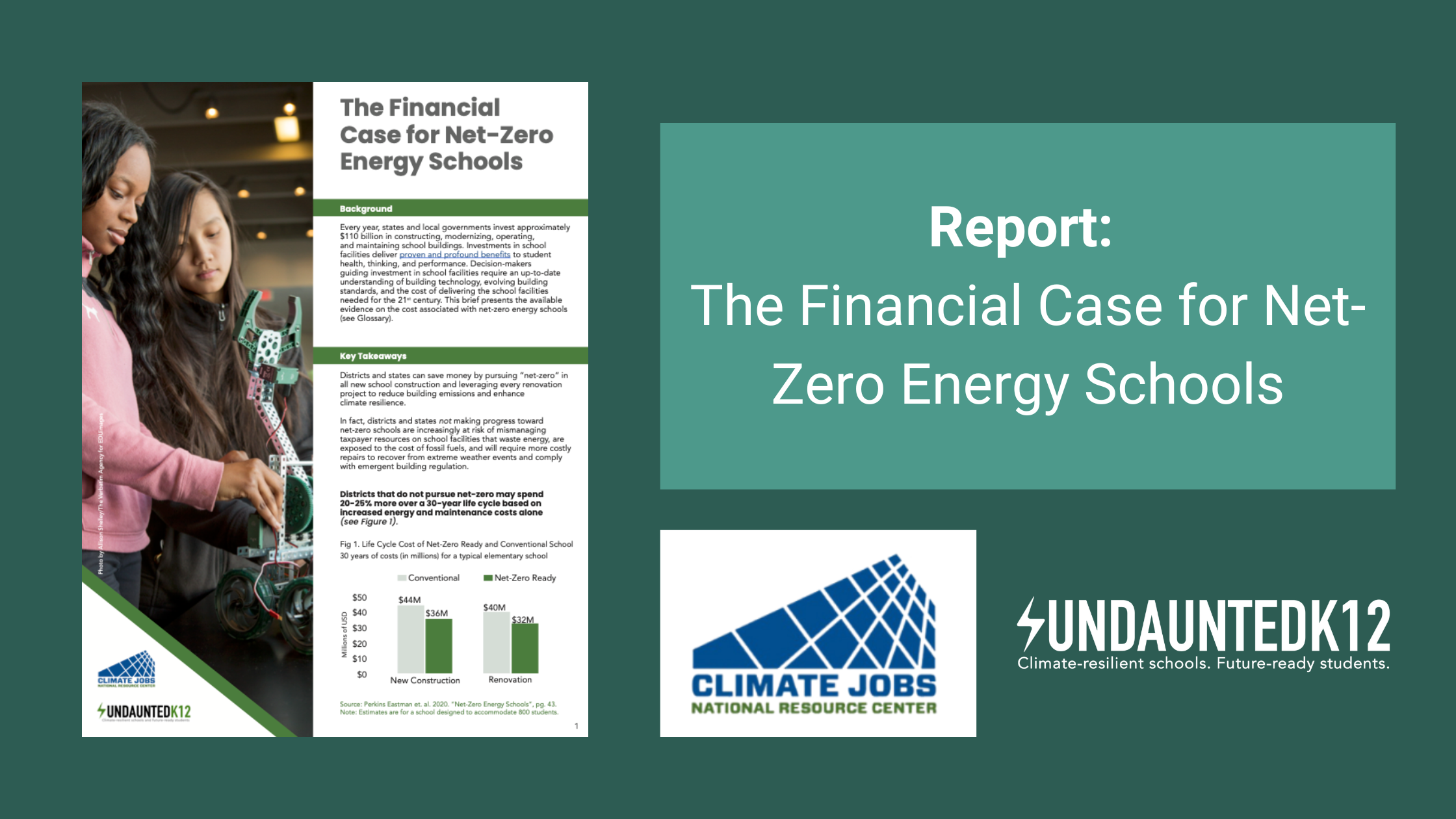
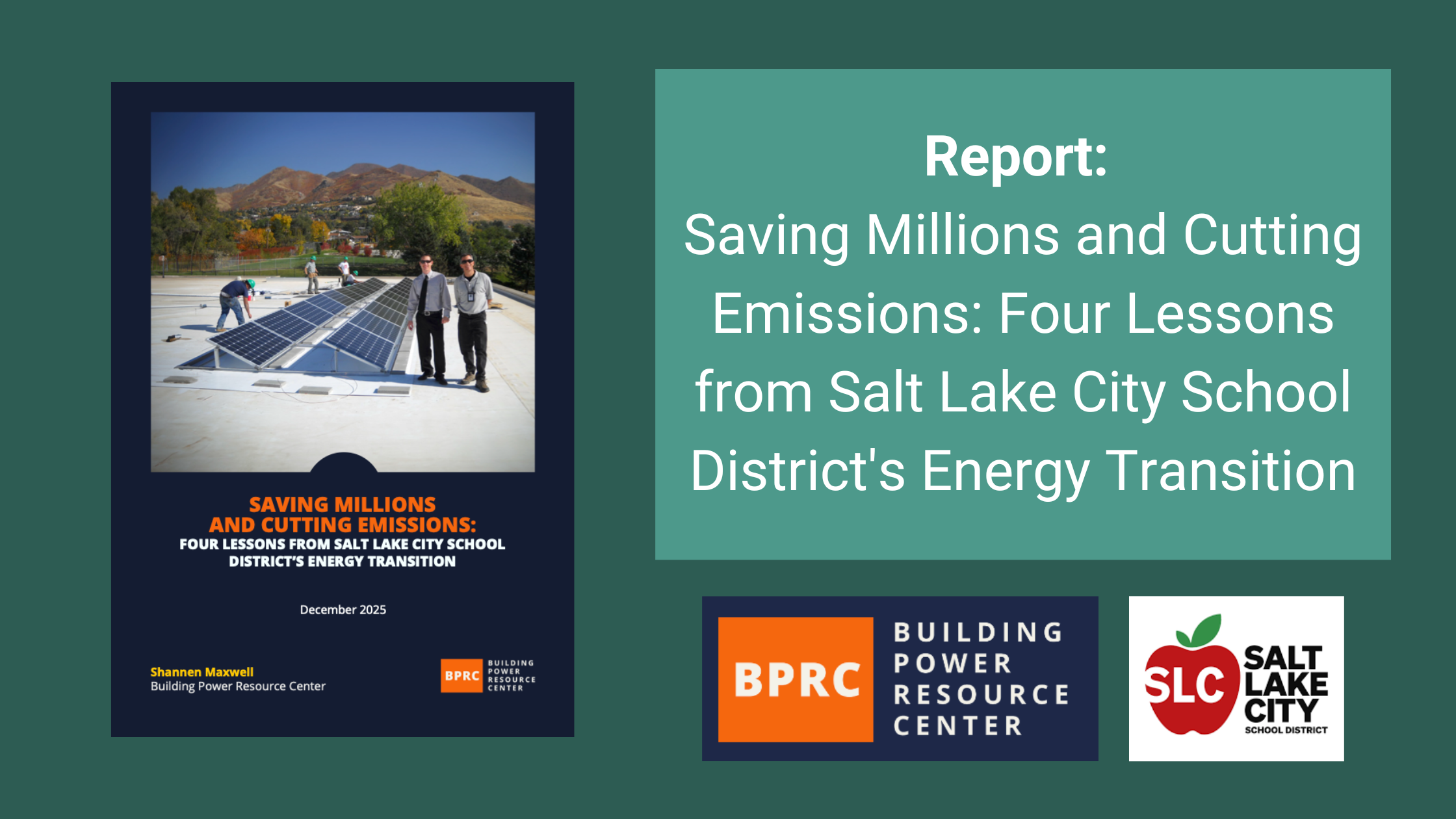
Explore More Resources








Questions? Reach out to us at: info@undauntedk12.org.