Red Lake School District builds a sustainable, resilient future with solar energy and infrastructure upgrades
Red Lake School District #28 is leading the way in energy efficiency and environmental education, modeling solutions for districts across Minnesota and beyond. In 2024, the Red Lake Nation received a $600,000 federal grant through the Tribal Electrification Program to pursue community-wide clean energy upgrades.
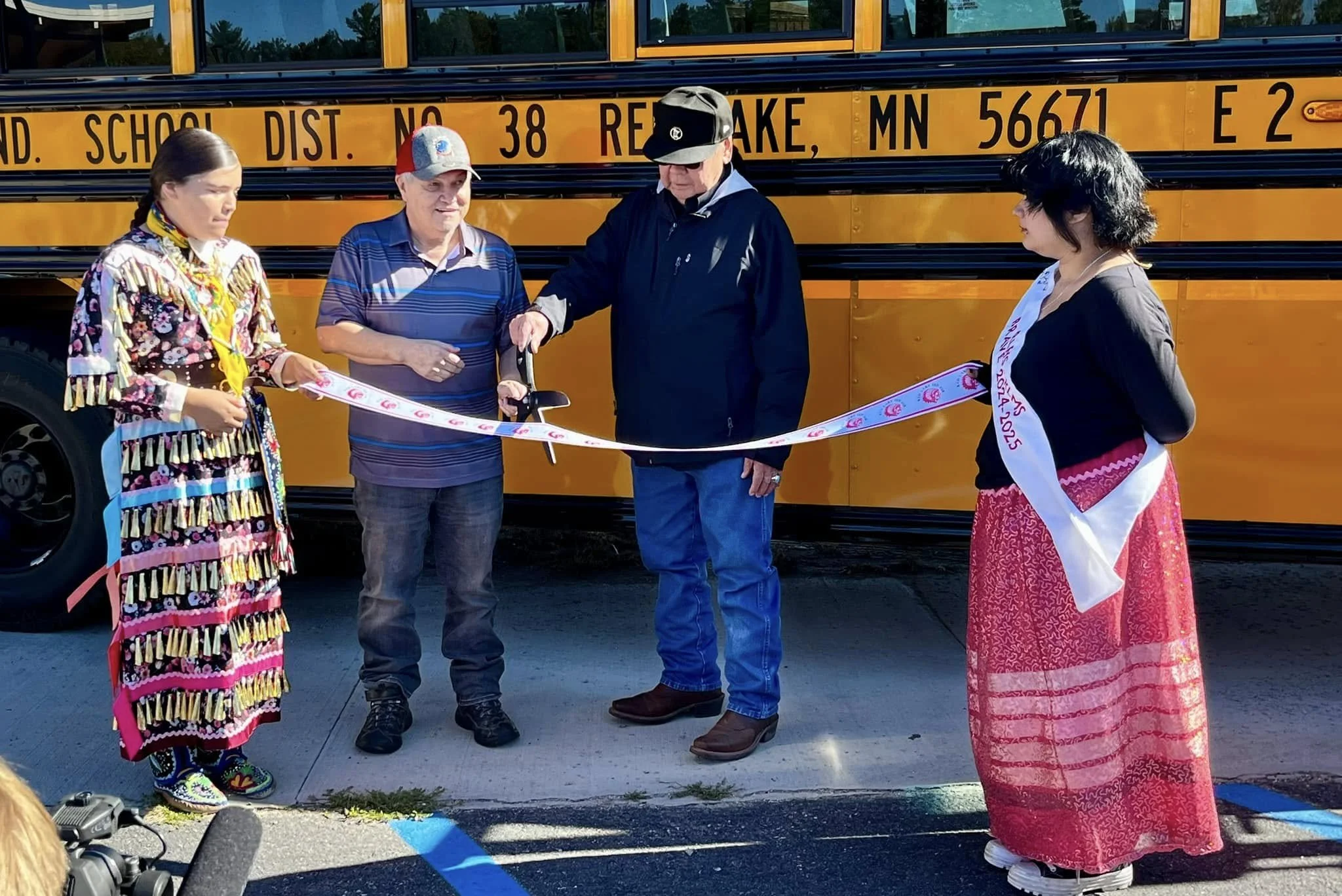
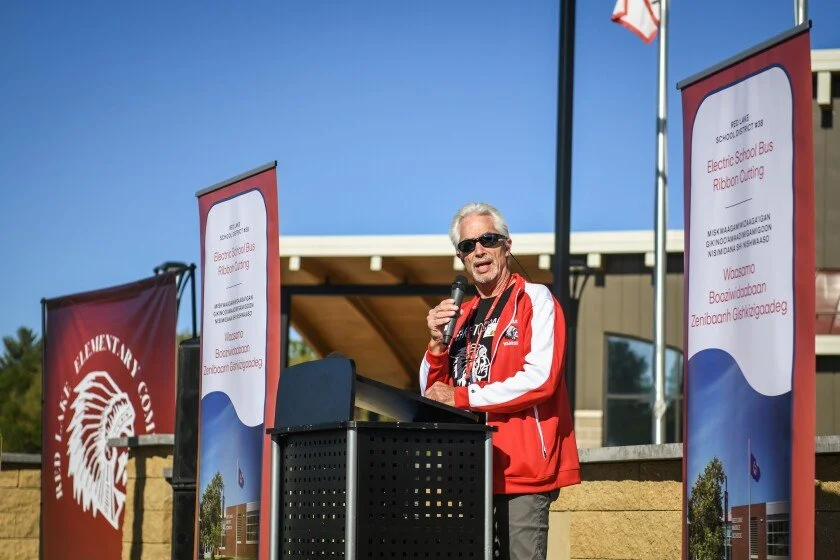
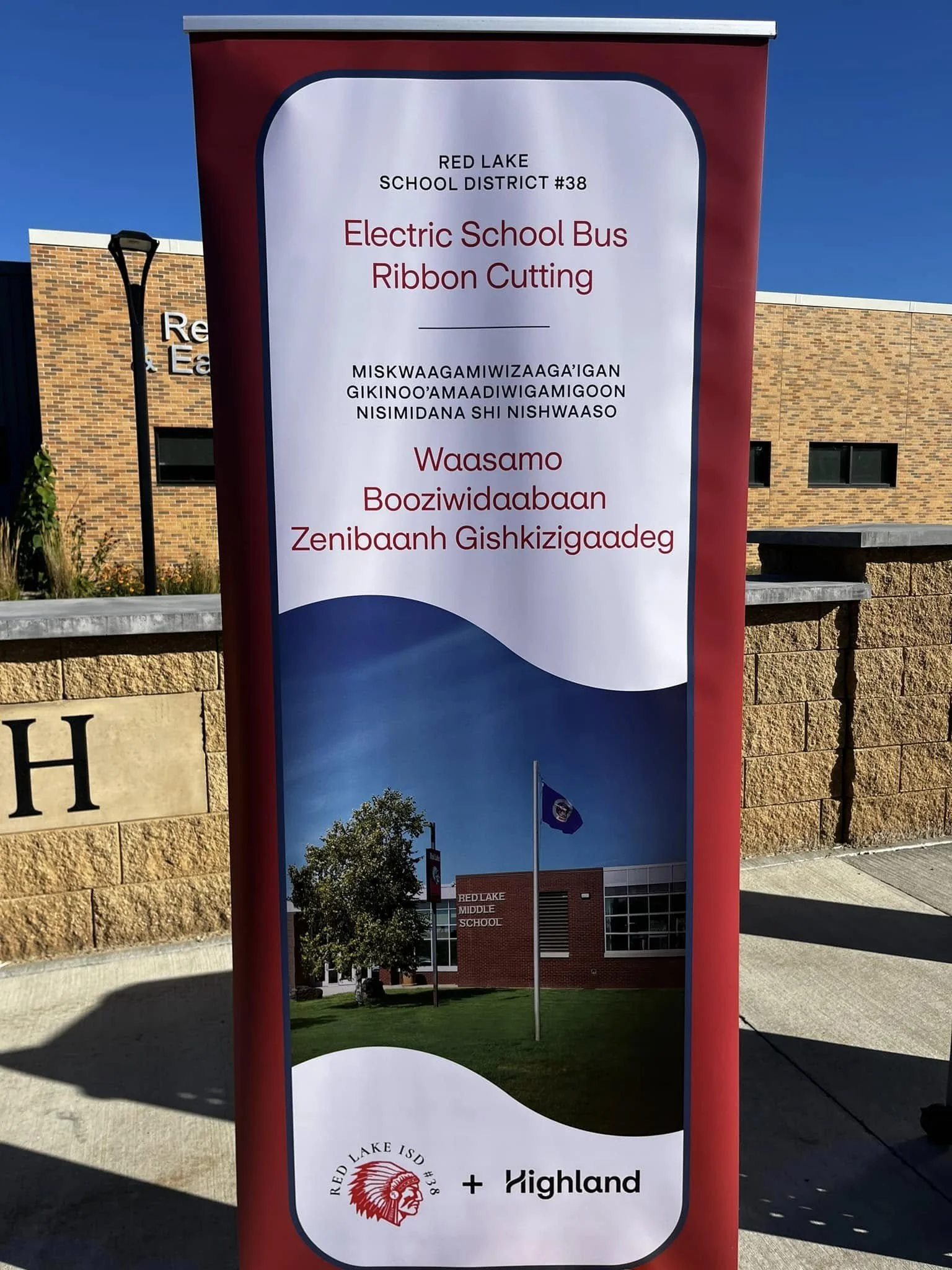
Building on this initial investment, Red Lake began energy-saving infrastructure upgrades across their school district – including LED lighting, updated flooring, a spray-foam roof, and high-efficiency boilers to reduce energy use across three schools. The district also introduced an e-bike sharing program for staff and deployed a new fleet of electric school buses funded by the EPA’s Clean School Bus Program.



A $500,000 grant through the Minnesota Department of Commerce helped the district purchase and install new solar energy systems, with the third array completed in summer 2025. The district expects to receive a 30% reimbursement from the IRS through energy tax credits and Elective Pay, further offsetting installation costs.
The arrays were installed by Solar Bear, a local company owned by Red Lake tribal member Bob Blake. Blake views the school projects as part of his team’s broader vision to serve as a model for other tribes on how solar development can create jobs and generate revenue for the community.
As the only public school district in Minnesota located entirely within a sovereign tribal nation, and serving a student population that is 98% Indigenous, educators are using the clean energy systems to support student learning opportunities. Students can monitor real-time solar energy production through a live dashboard, and educators have introduced an Ojibwe-language curriculum focused on solar power and energy equity across grade levels.
In October 2025, during the Energy Project Resource Summit for Schools, Superintendent Tim Lutz highlighted the district’s work as an example of what is possible for schools and their local communities when state support aligns with federal energy tax credits.
Learn more about Red Lake Nation School District’s leadership: