

Lead a Successful Elective Pay Process
Master the process and bring maximum dollars to your district
Through Elective Pay, schools can access federal energy tax credits to defray the cost of eligible clean energy projects that reduce costs and contribute to safer, healthier, and resilient learning environments.
Learn the process, explore resources, review key information and tips tailored for schools, and take advantage of free opportunities for assistance.
Understanding the Elective Pay Process
Elective Pay (or “Direct Pay”) is a funding mechanism that allows tax-exempt entities, like school districts, to claim federal energy tax credits for qualifying clean energy projects.
Non-competitive: All schools with qualifying projects are eligible to claim energy tax credits.
Uncapped: Schools can claim tax credits for multiple projects in a single year and over subsequent years.
Cash reimbursement: School districts receive checks after they complete projects.

Branson Public Schools (MO) received two checks for over $4 million for the installation of ground-source heat pumps at four schools.
Explore more schools that have cashed checks from the IRS.
How Does the Elective Pay Process Work?
Additional Elective Pay Resources
Webinar: Demystifying the Elective Pay Filing Process (Government Finance Officers Association, Lawyers for Good Government)
This webinar walks through the Elective Pay filing process, provides tips and resources, and answers questions.
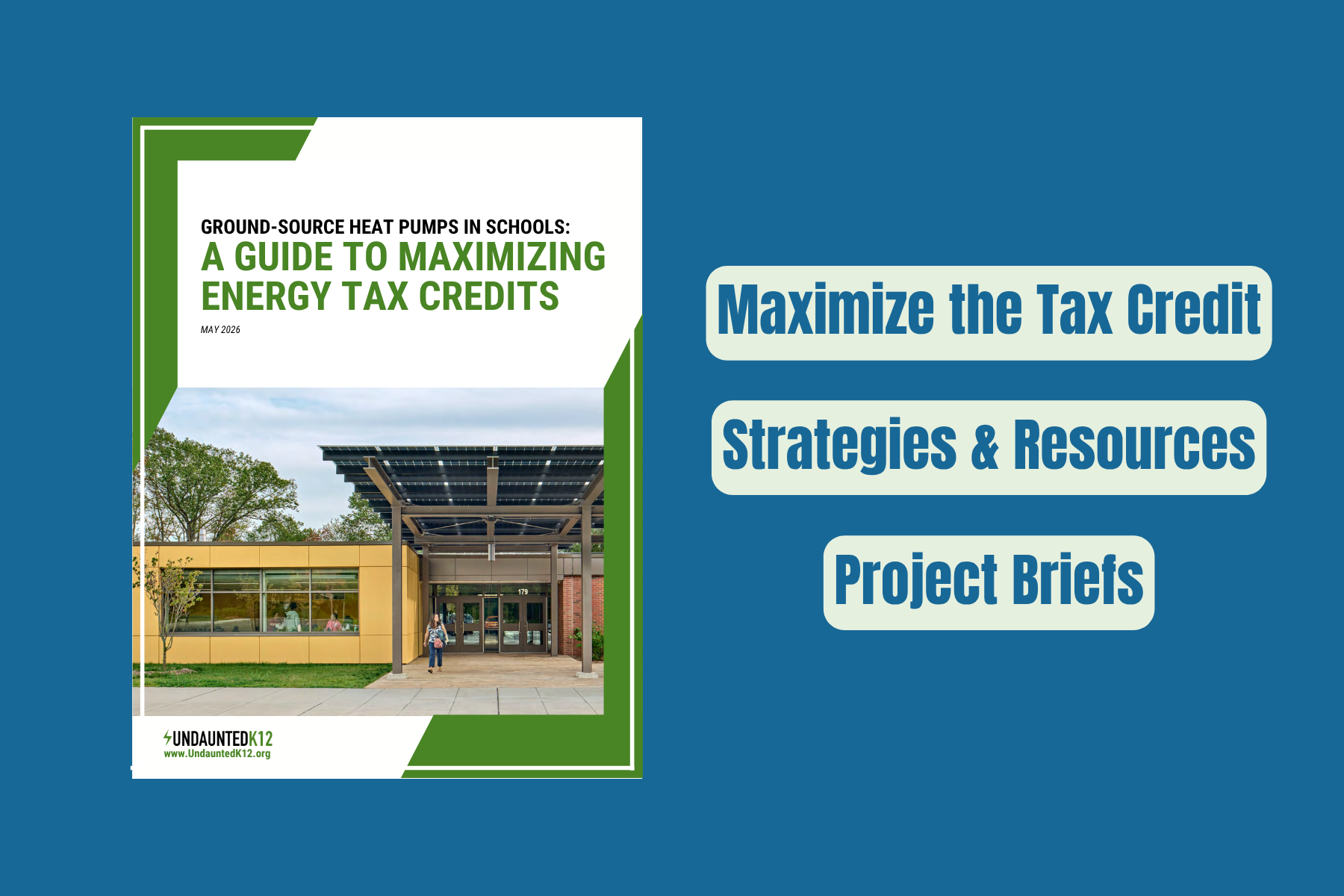
Guide: Ground-Source Heat Pumps in Schools: A Guide to Maximizing Energy Tax Credits
Pursuing a ground-source heat pump project? Understand key concepts, strategies, and tips to ensure a smooth Elective Pay process and maximize the tax credit.
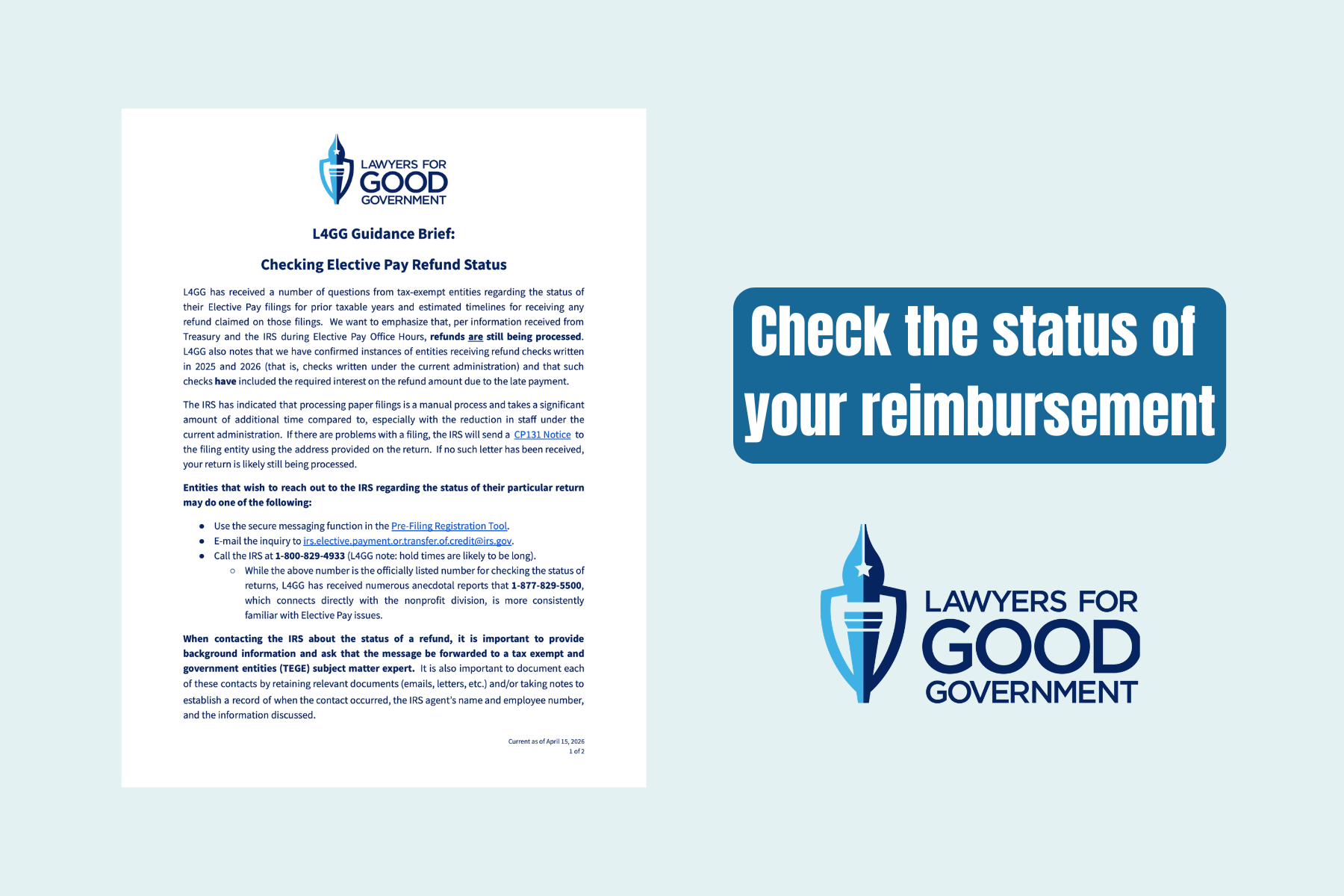
Brief: Checking Elective Pay Refund Status (Lawyers for Good Government)
Understand how you can check the status of your Elective Pay reimbursement.
Common Pitfalls for Schools
-
District leaders should begin the Elective Pay process when considering an investment in eligible technologies. During the design phase, districts and their partners should ensure their projects will meet tax credit requirements, such as system size and material sourcing. This will help set districts up for a successful Elective Pay process.
-
Seek experienced project partners that will design projects with tax credits in mind, ensuring that projects will comply with tax credit requirements.
Seek experienced tax filing support that can ensure projects meet tax credit requirements early on and assist with claiming the credit through Elective Pay.
Understand and stay updated on changes to energy tax credits.
-
The filing deadline is the 15th day of the fifth month after the end of the entity’s tax year. For example, for districts with a fiscal year (which they commonly elect to use as their tax year) ending on June 30, the filing deadline is November 15.
Complete pre-filing registration approximately 120 days before the filing deadline.
Plan to be flexible around the timing of the reimbursement. The IRS will not issue payment prior to the filing deadline.
Anticipate delays in IRS processing due to workforce reductions and budget cuts. Check the status of your reimbursement.
-
Visit the IRS webpage to identify vendors that have met the qualifications to be designated as a Modernized e-File (MeF) provider. If working with a tax professional, ensure they have access to the software required for e-filing.
Before beginning pre-filing registration for Elective Pay, determine whether your school district has its own Employer Identification Number (EIN) or whether it is an instrumentality of a municipality. Cities or towns may file on behalf of their school district.
Below are key tips to help school districts avoid common pitfalls and succeed in the Elective Pay process.
Free Support
School districts can receive free support as they make their way throughout the Elective Pay process - from planning a project to collecting their cash reimbursement.
We Build Progress & Lawyers for Good Government (L4GG) Monthly Elective Pay Office Hours
Thursday, Nov 12 at 1pm ET
We Build Progress and L4GG host monthly office hours on Elective Pay. Share your clean energy project project plans, talk through roadblocks, and ask your questions.
Internal Revenue Service (IRS) Monthly Elective Pay Office Hours
Wednesday, Oct 21 at 1pm ET
The IRS hosts monthly office hours dedicated to Elective Pay and energy tax credits. Attend to ask your questions. See dates scheduled through 2026.
L4GG has launched the Elective Pay Sprint Hub to help entities maximize energy tax credits while they are still available. Complete the intake form and receive assistance for your project.
State-Specific Support
Explore Successful Examples of Schools Leveraging Elective Pay
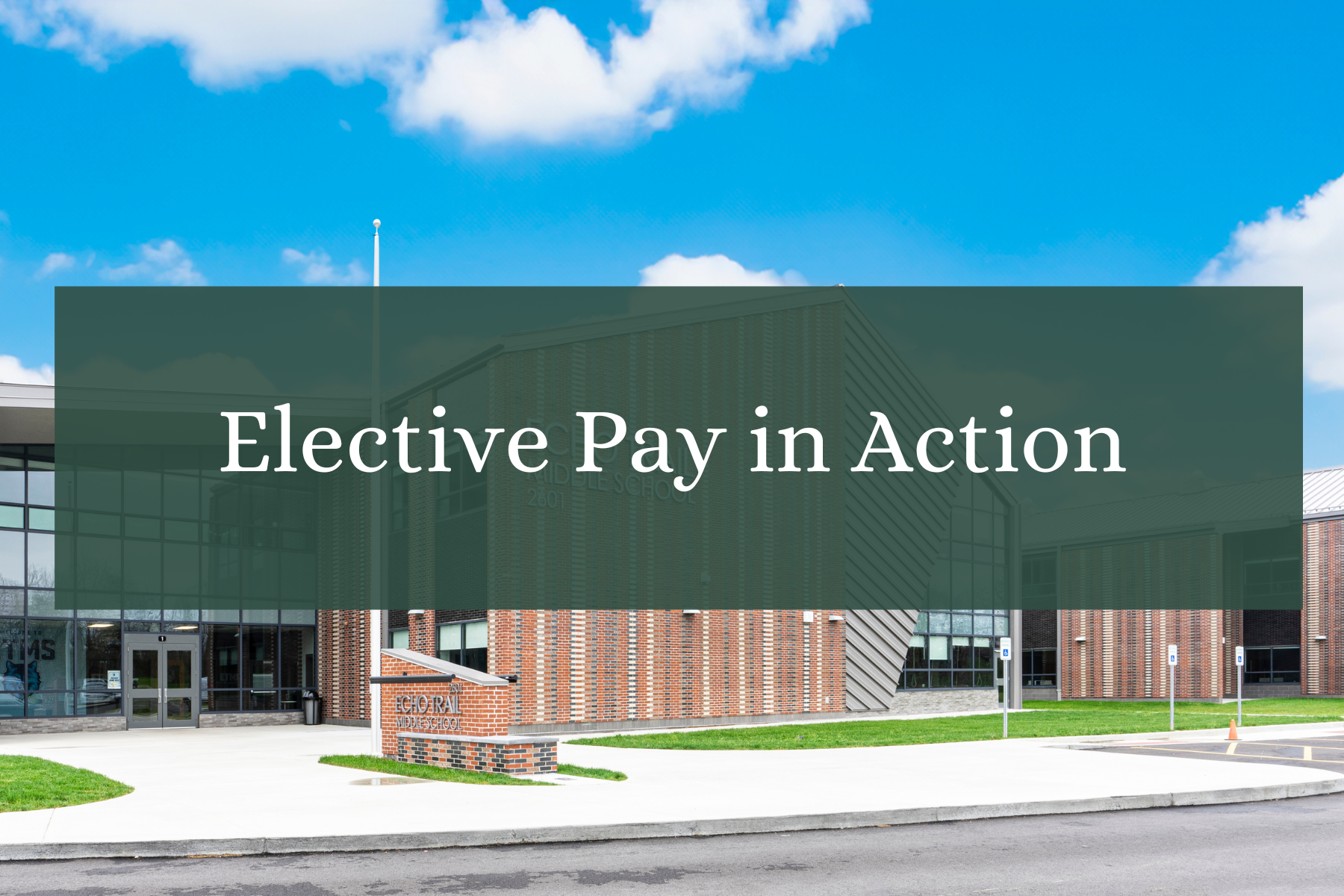



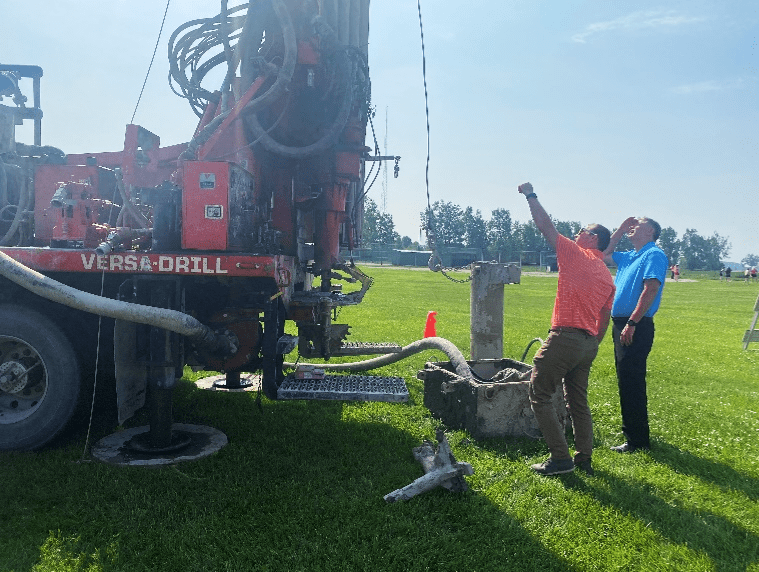
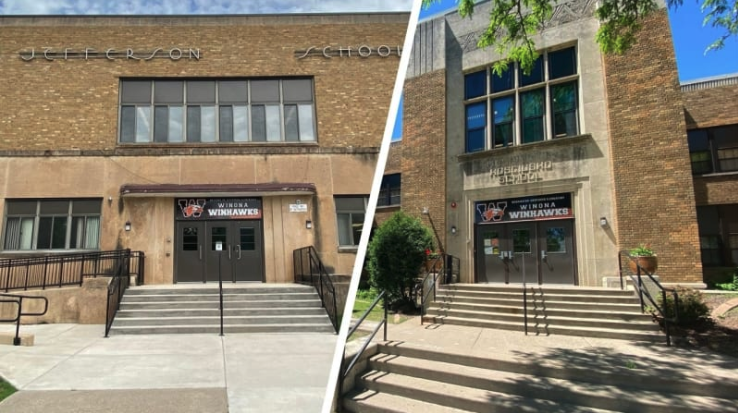
Tell us about your Elective Pay projects that have received IRS reimbursements—your district could be featured here!
Questions? Reach out to us at: info@undauntedk12.org.
The information on this page represents our best understanding of certain tax provisions for general informational purposes only and is not itself tax guidance. Please consult qualified tax professionals about your specific circumstances and refer to guidance issued by the IRS for detailed information on the rules associated with energy tax credits, elective pay, and other relevant tax provisions.