
Digging into Geothermal: Lessons on planning and funding ground-source heat pump projects during a tour of the new Revere High School
Did you know that ground-source heat pumps have become the go-to HVAC system for new school or major modernization projects in Massachusetts? And yet, for many school district leaders, it’s a new technology. Demystifying what it takes to successfully complete these projects can help more districts benefit from these all-electric, cost-saving systems. Leading school districts can help others follow in their footsteps.
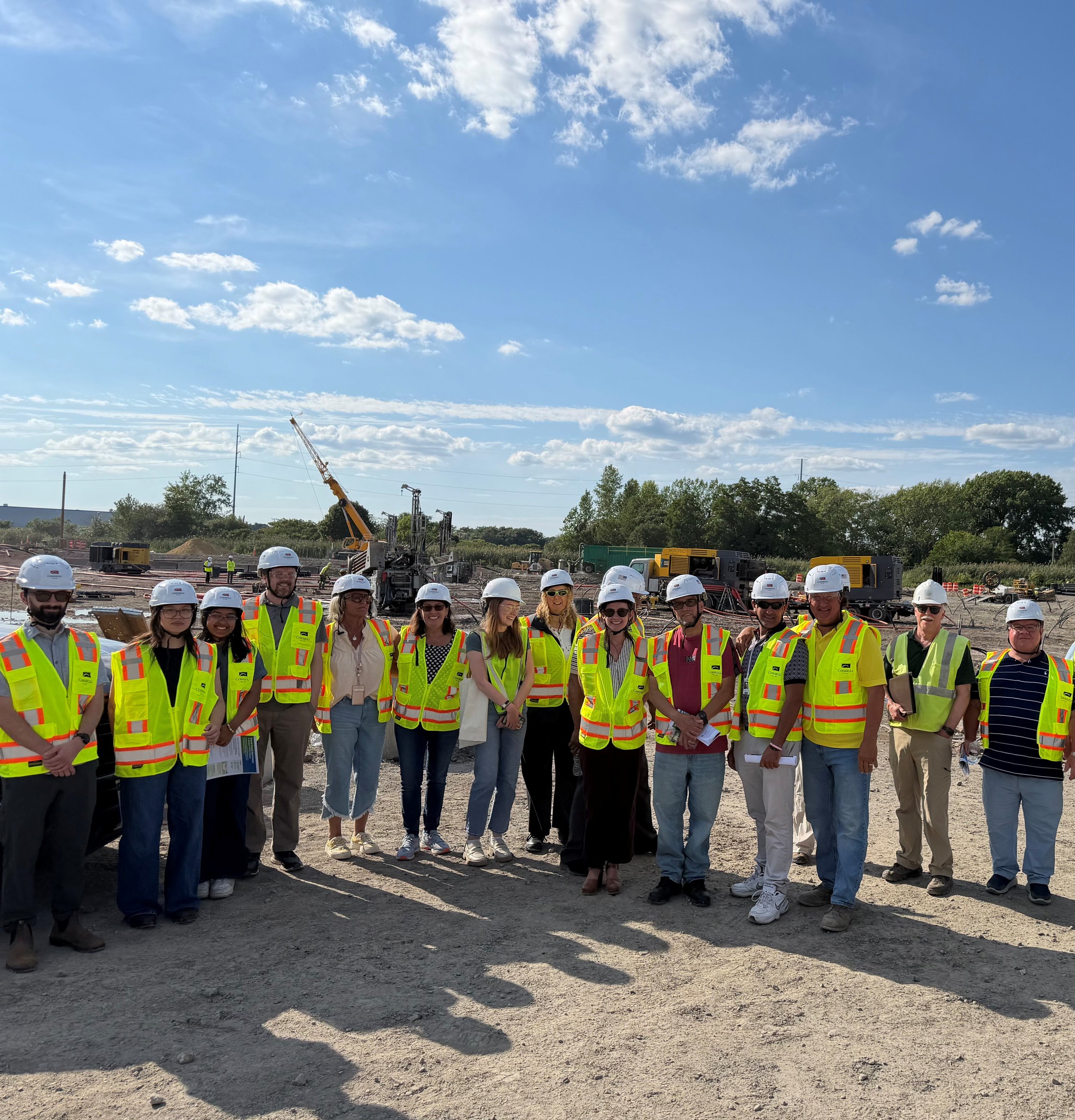
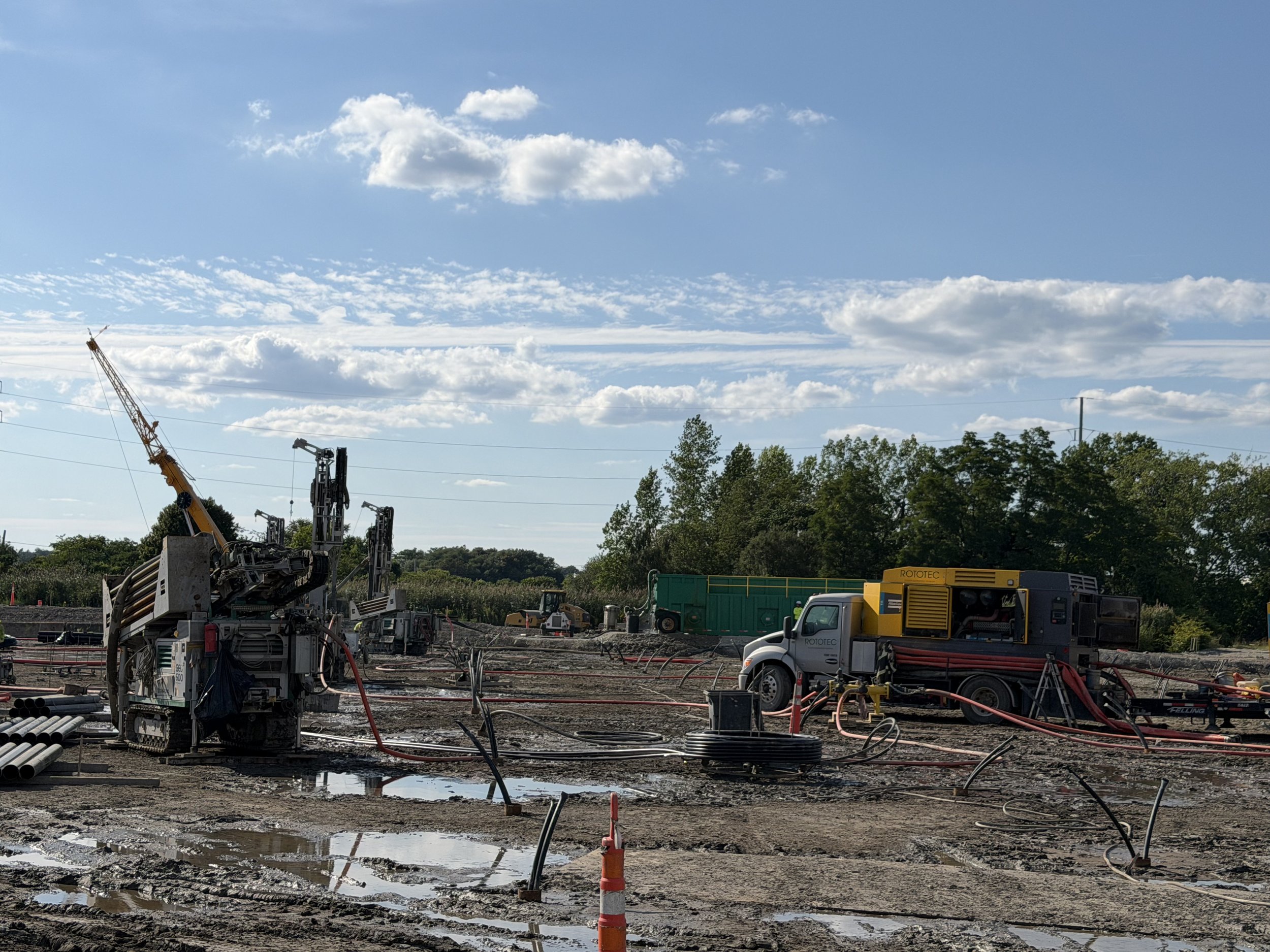
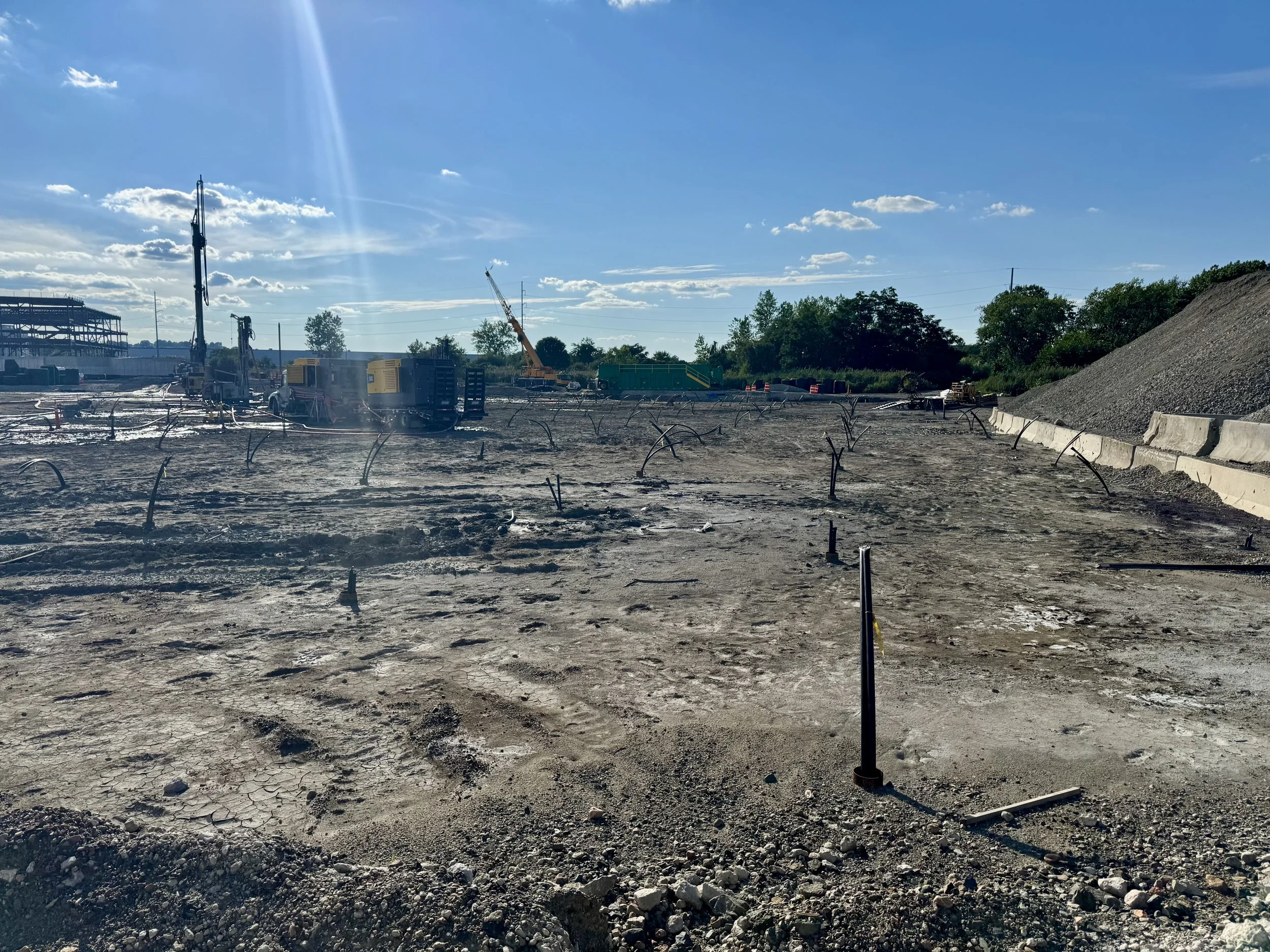
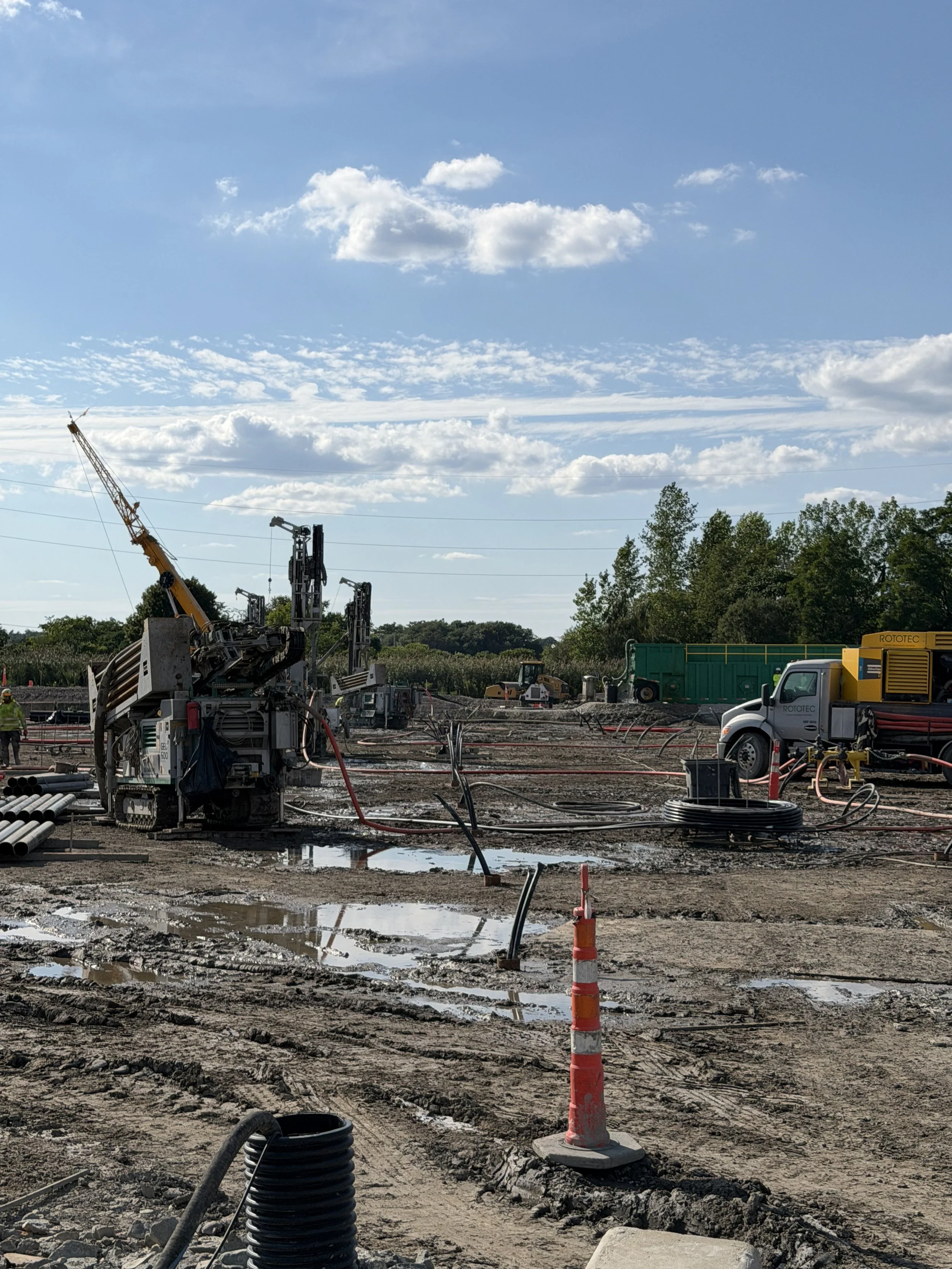
On August 19, we partnered with Revere Public Schools and Leftfield Project Management to bring school district and municipal leaders together for an up-close look at progress on the installation of ground-source heat pumps at the new Revere High School.
Superintendent Dianne Kelley spoke about how federal energy tax credits were factored into the decision to install ground-source heat pumps over other options.
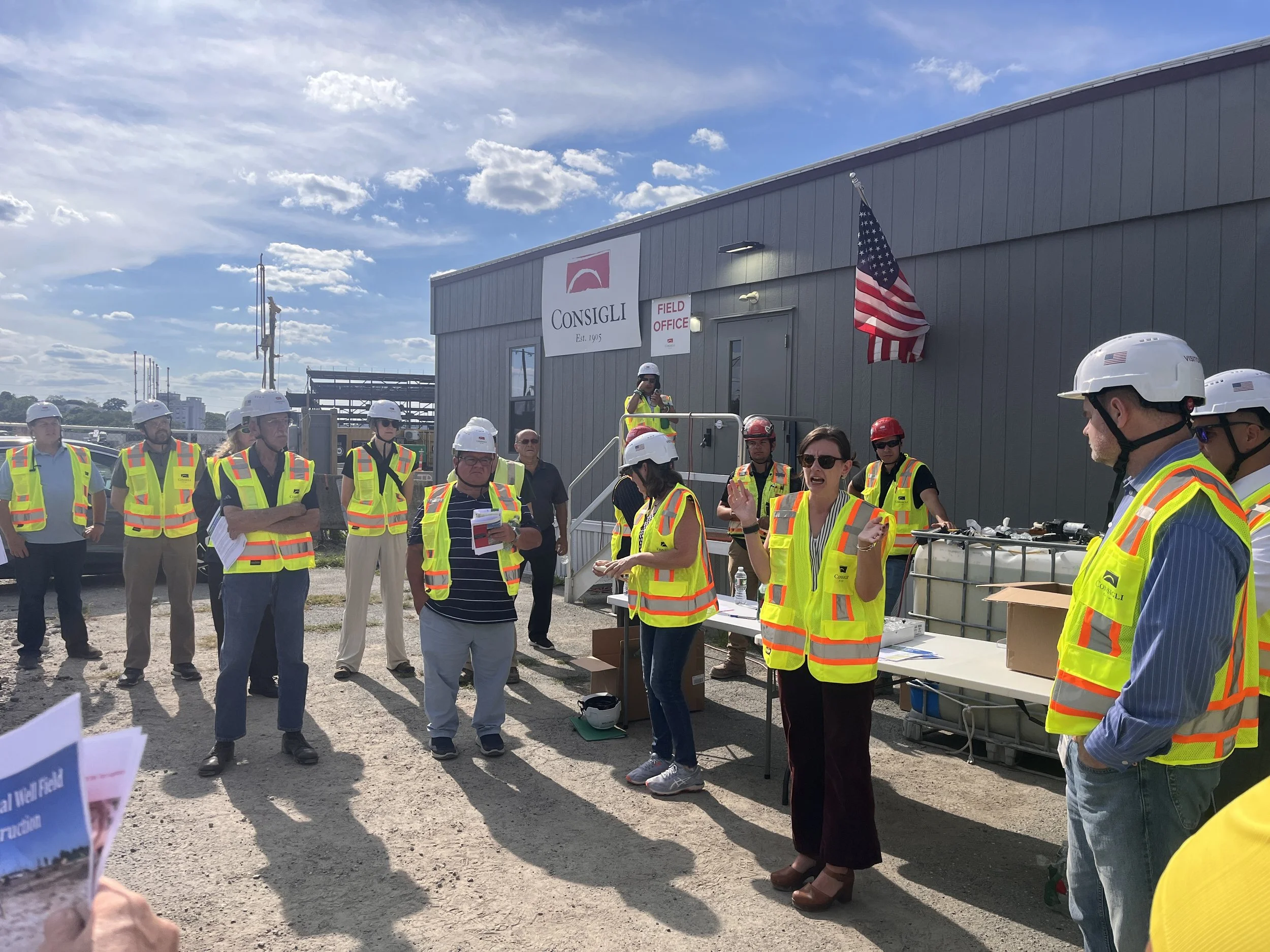
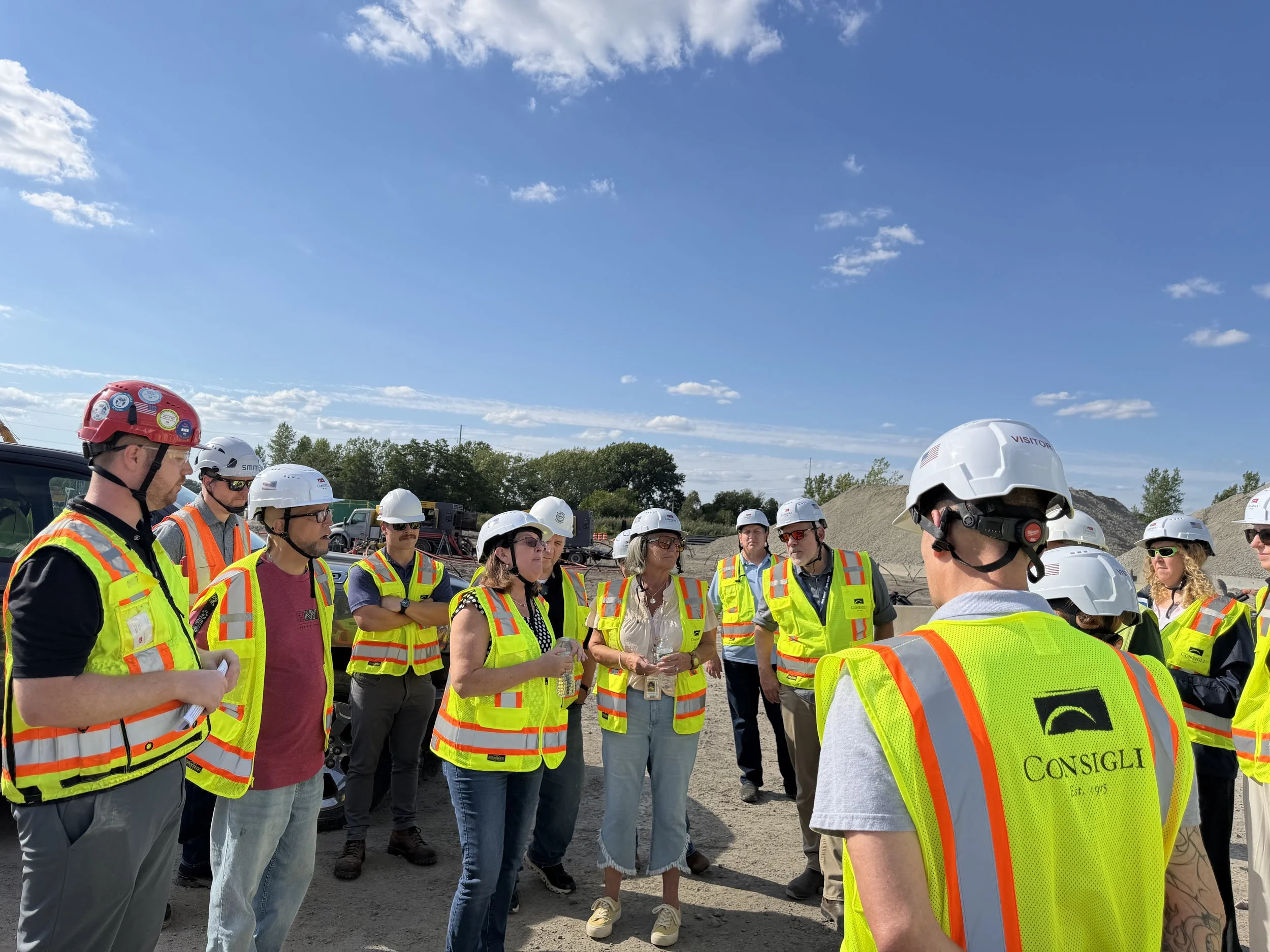
Paul Kendall, Mindess School Building Project School Building Committee Chair at Ashland Public Schools, spoke about his district’s experience as one of the first in the state to install ground-source heat pumps and earn the federal energy tax credit.
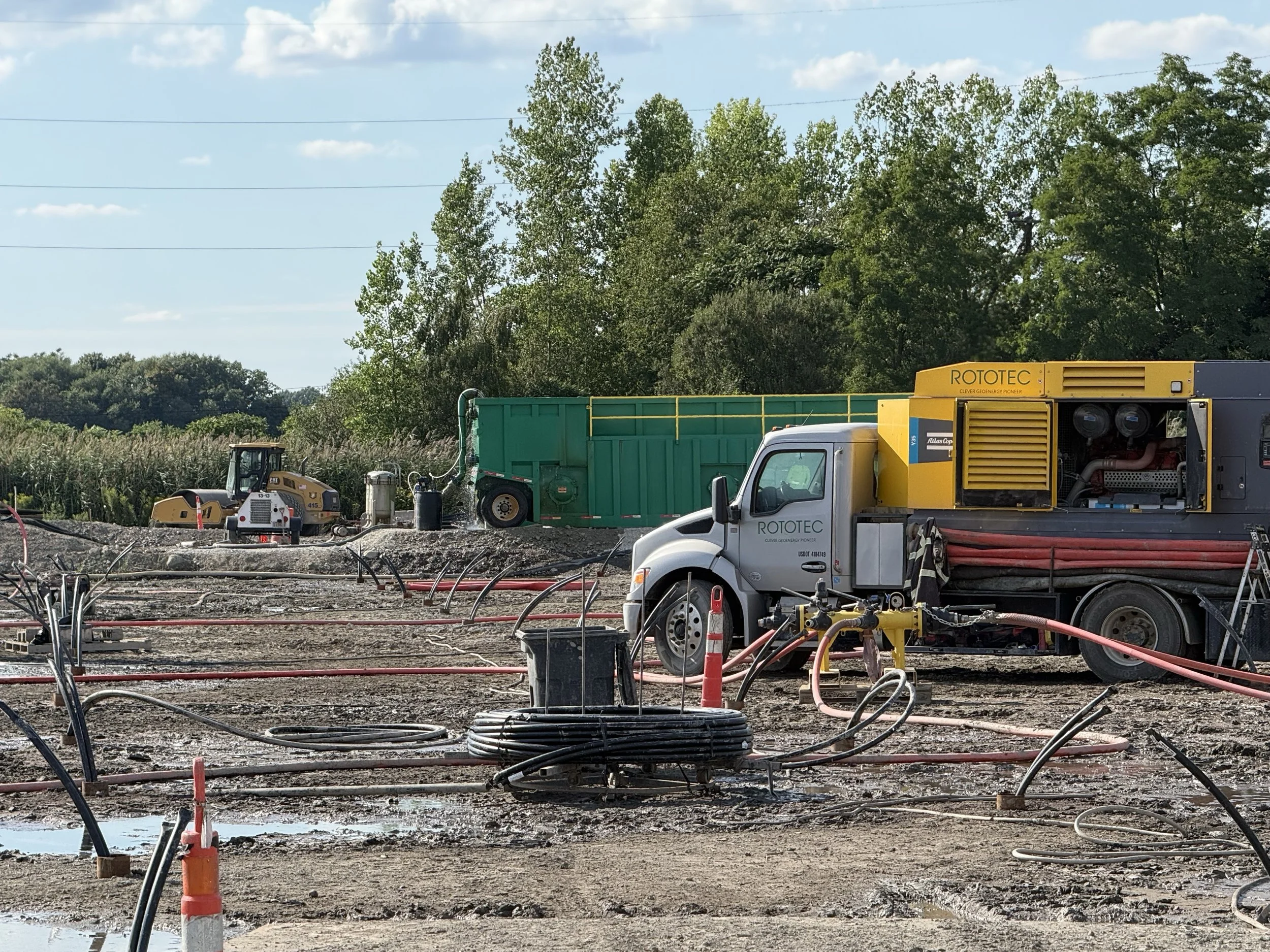
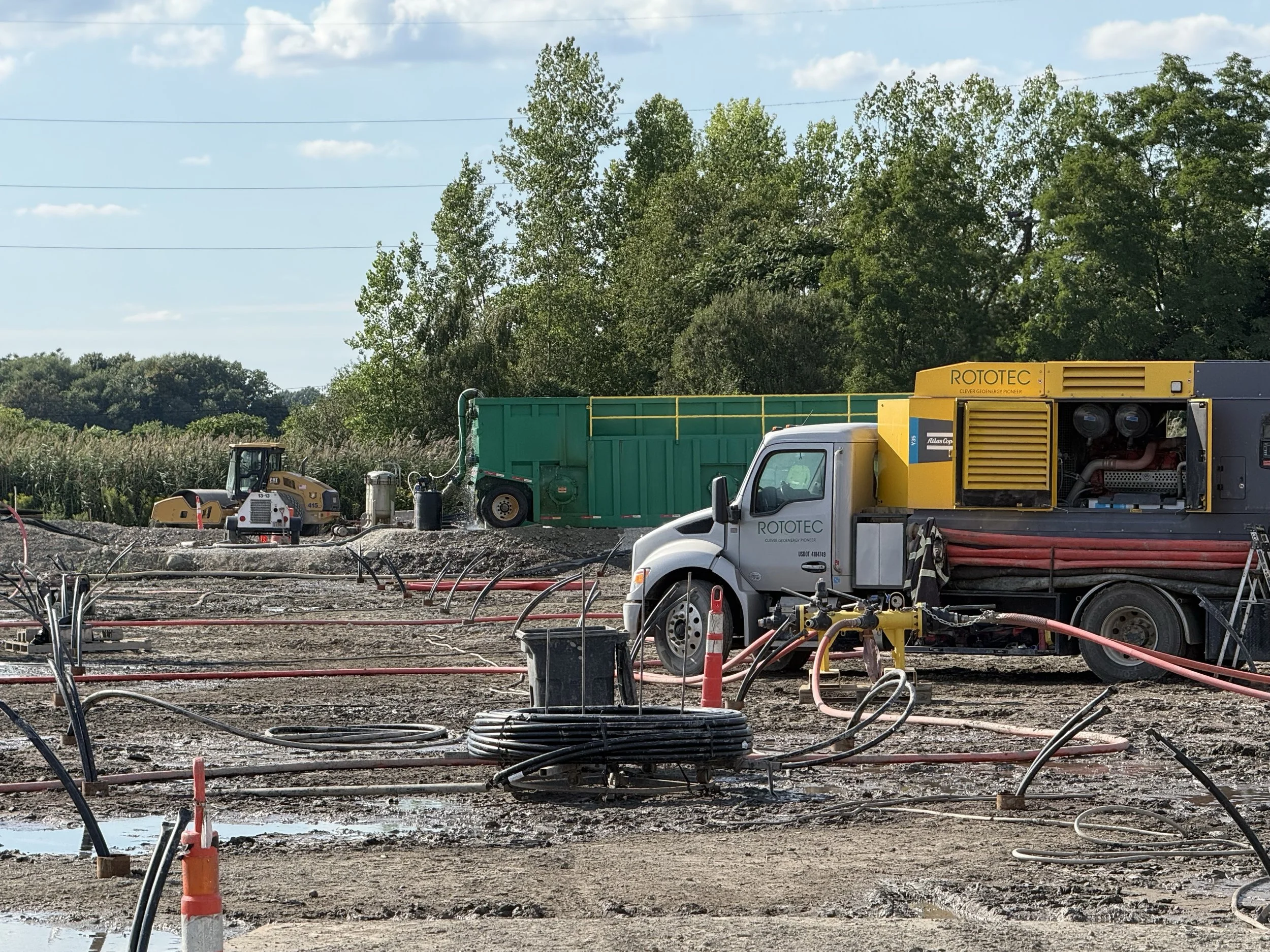
Participants then had a chance to tour the geothermal construction site and learn more about the technology from members of the project team at Consigli and Leftfield.
The event surfaced key takeaways for other districts exploring this technology:
Factor life-cycle costs into planning and decision-making. Revere's decision to install ground-source heat pumps wasn't just about the district’s commitment to reducing reliance on fossil fuels. The availability of federal and state incentives, projected energy savings, and long-term operating costs all played into the calculus. Districts weighing whether this technology "pencils out" will benefit from reviewing a life-cycle cost analysis that includes available incentives.
Engage with a tax specialist early in the process. Work with a tax professional with experience helping schools navigate the federal energy tax credit opportunity. Ashland Public Schools engaged Energy Tax Savers to support filing for tax credits for the Mindess Elementary School’s ground-source heat pumps.
Understand the resources that are available to help plan and finance projects. Massachusetts has a robust network of organizations that can provide resources, support, and funding to move projects forward.
Massachusetts School Building Authority
The Massachusetts School Building Authority (MSBA) provides grants for school infrastructure projects, including new school construction and accelerated repairs and renovations. This funding can support the installation of ground-source heat pumps in either scenario.
Mass Save offers planning and funding support for new construction and major renovations at schools served by a Mass Save utility. Eligible schools may also access Energy Assessments & Technical Assistance programs to identify opportunities to improve energy efficiency and reduce building emissions.
Massachusetts Clean Energy Center (MassCEC)
MassCEC's Green School Works Technical Assistance program provides eligible schools, districts, and educational collaboratives with low- or no-cost support for decarbonization planning and the development of modern, energy-efficient, and healthy school buildings. Participants can choose from several services, including a ground-source heat pump feasibility study with test wells, comprehensive building assessment, portfolio decarbonization roadmap, focused study, or renewable energy assessment for solar and storage. Contact greenschools@masscec.com for more information.
MassCEC's Green School Works program will also be releasing a third round of grants to support clean energy projects at eligible K-12 public schools. To be notified of future program updates and application windows please sign up for the Green School Works email list.
Massachusetts Department of Energy Resources Climate Leader Communities
Municipalities that participate in the Green Communities program may apply for a Climate Leader Community certification. Climate communities may be eligible for grants to support planning and implementation of building decarbonization projects.
The Regional School District Decarbonization Grant program provides grant funding focused on helping school districts avoid like-for-like replacement of fossil fuel burning equipment. Participation in the Green Communities Program is not an eligibility requirement for this program.
Federal Funds and Infrastructure Office
Build for Mass is a new revolving loan fund to help cities and towns finance critical infrastructure, clean energy, climate resilience, and economic development projects. This loan program offers two low-interest financing tools to address funding gaps, advance priority projects, and maximize access to federal resources. The Green Loan Program pathway offers bridge financing for projects eligible for federal energy tax credits, such as ground-source heat pump projects and battery energy storage. For additional information, contact fedfundsinfra@mass.gov or fill out the BuildForMass Interest Form for updates.
The Federal Funds and Infrastructure Office also provides funding to cover the cost of technical assistance such as tax professionals. For example, the Town of Agawam secured $50,000 to cover the cost of working with a tax professional to secure energy tax credits for a ground-source heat pump system.
If you weren't able to attend the construction tour at the new Revere High School, or know other district leaders who'd be interested in future events, fill out this form to be the first to know about what's next.
