Why school infrastructure matters for student health, learning, and success: Lessons from district leaders during the 2026 MAAP Summit
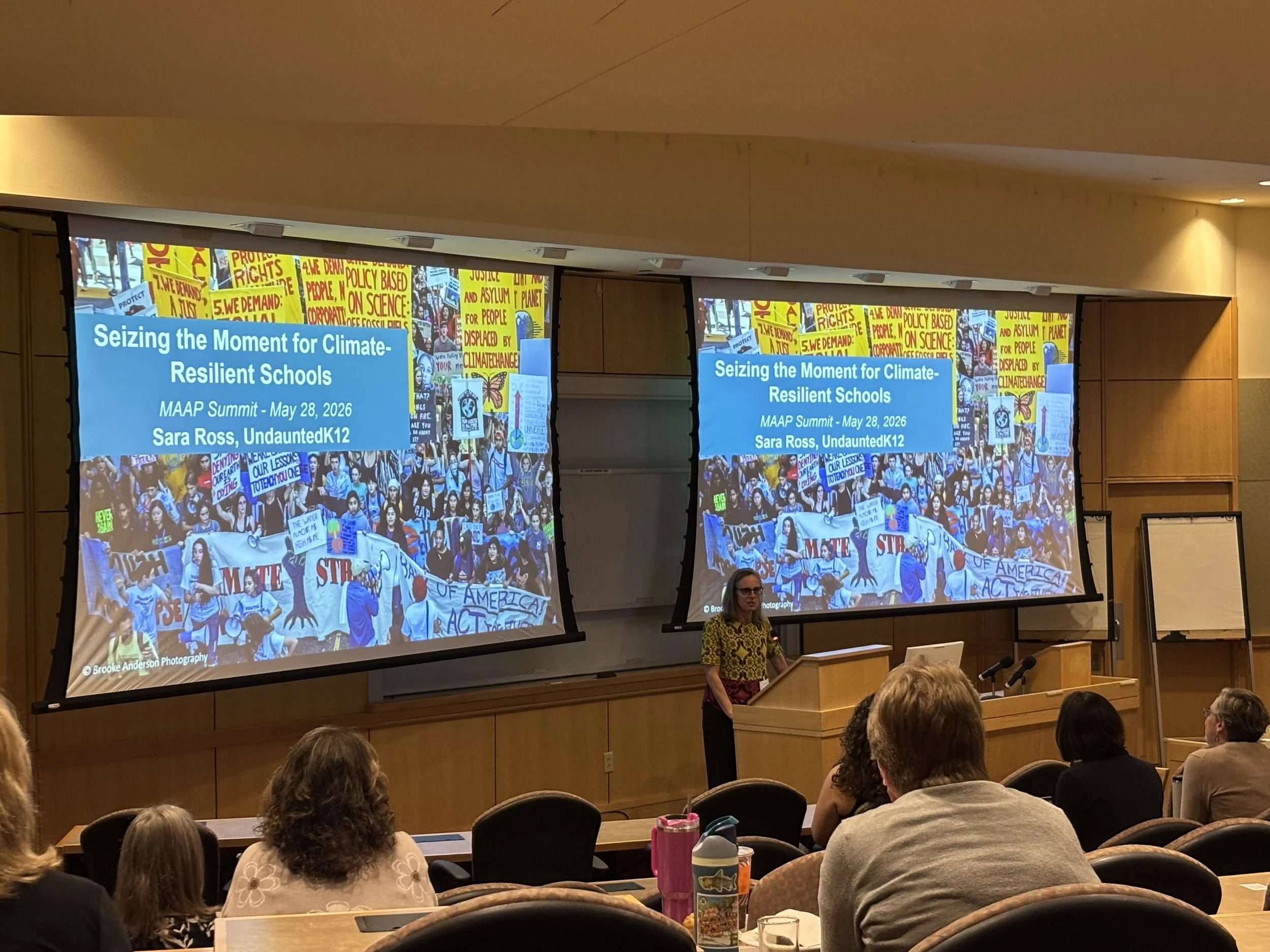
At this year’s Massachusetts Asthma Action Partnership (MAAP) Summit, leaders from across the state explored the intersection of climate change, school facilities and student health - and what communities can do to respond. Extreme heat is on the rise, and many schools remain unequipped with adequate cooling, ventilation, and air filtration systems. Modern HVAC investments are increasingly essential for protecting student health, improving indoor air quality, and maintaining safe learning environments.
District leaders from Lynn, Holyoke, and Haverhill shared their experiences participating in the Healthy Environments Advance Learning (HEAL) project, a collaborative learning cohort led by Health Resources in Action and the Metropolitan Area Planning Council to support districts in creating healthier, more resilient buildings.
Their stories highlighted the everyday challenges students, educators, and staff face in aging school facilities, and the steps they’re taking to respond:
In Haverhill, leaders are repairing broken window screens so they can open windows and increase ventilation. This is particularly important since an oil tank for the heating system ruptured and leaked oil inside the building.
Holyoke Public Schools is focusing on duct cleaning and HVAC maintenance to improve indoor air quality, building on efforts to establish comprehensive heat-response protocols.
In Lynn, district leaders are prioritizing student engagement on practical extreme heat response plans that can be implemented district-wide.
The connections between the challenges faced by all three districts and the opportunity to invest in modern HVAC systems is clear. Modern HVAC solutions eliminate the safety risk associated with burning (and storing!) fossil fuels like heating oil in our school buildings. And they add desperately needed cooling so that students and staff are safe and engaged in the work of learning.
These investments are vital and increasingly possible. During the keynote address, Sara Ross highlighted the federal and state funding opportunities available to support these investments, including:
Massachusetts School Building Authority’s Heat Pump Retrofit Program,
Mass Clean Energy Center’s Green School Works program,
utility incentives for example through Mass Save, and
federal energy tax credits available for schools installing ground-source heat pumps.
Undaunted is tracking ~45 ground-source heat pump projects in Massachusetts.
Schools are earning an average tax credit of $3M, received as a cash reimbursement through a funding mechanism called Elective Pay. We expect $135M in investment by the federal government for modern HVAC in MA schools.
This funding is unlimited! If 400 schools started construction on ground-source heat pump projects by the end of 2034, Massachusetts could secure ~$1.2B in federal funds for this modern HVAC solution for our school buildings. Learn more about the opportunity here.
See which Massachusetts districts have already earned reimbursements for their projects below. Could yours be next?